The Electronic Arts Games XBOX Players Want to See Made Backward Compatible
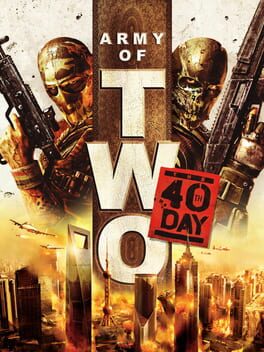
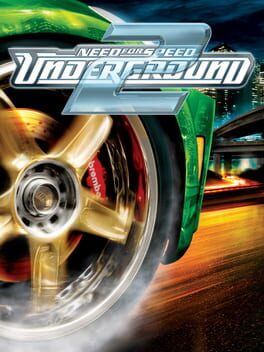
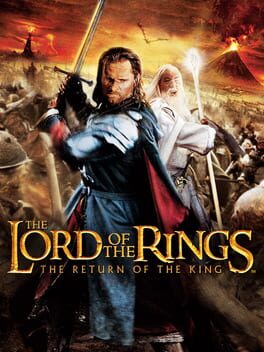
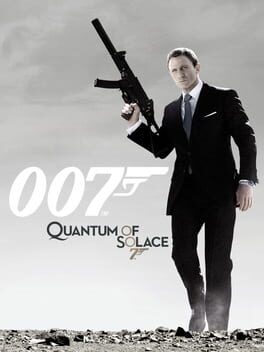
Across the whole site, 30,782 of the 91,955 people who have ever voted backed at least one EA game. No single publisher reaches a wider slice of the audience. EA's catalog is broad, and deep.
A measurement, not a petition.
XBOXGamePreservation.com asks players a single question: which Original XBOX and XBOX 360 games do you want to be able to play again via backward compatibility on modern XBOX consoles? This page looks at every Electronic Arts game released on Original XBOX and XBOX 360.
What is XBOX backward compatibility?
It's the program in which Original XBOX and XBOX 360 titles are given the green light by publishers and rights holders to let XBOX make them playable, and often buyable, again on current XBOX consoles. For rights holders, the key requirement is approval. XBOX handles the technical work required to bring supported titles to modern consoles.
Licensed film, TV and music leads, and Need for Speed is the largest single franchise.
Sorted by votes, and splitting the licensed catalog the way the full list does, the biggest single block is EA's film, television and music tier: 42 games carrying more demand than any owned franchise, but each with outside rights underneath it. Just below sits Need for Speed, the largest single franchise by a wide margin. The licensed sports catalog is broad but lower-demand per title, and beneath it come the rest of the franchises EA owns, Burnout, Army of Two, and Medal of Honor. Taken together, the two licensed tiers are 185 games and just under half of all EA demand.
* Delisted titles and games already on backward compatibility are counted separately, in the final section, and are not part of the totals above. ** Licensed games: EA released these, but the underlying rights are held by others.
Need for Speed is the biggest franchise XBOX fans want, and potentially the most difficult to bring back.
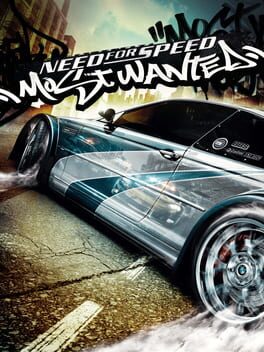
Fifteen Need for Speed games on this list draw 35,257 votes between them, about a third of all EA demand and the largest franchise in votes. The single biggest driver is Need for Speed: Most Wanted (XBOX 360, 2005), which pulls 9,409 votes on its own; Need for Speed: Underground 2 adds 7,068.
Need for Speed is built on licensed cars from real manufacturers and licensed soundtracks from real artists, and those deals were signed for a fixed term. Renewing them across a fifteen-game catalog, decades later, is a potentially heavy lift. That is likely why so much of the series has stayed off modern platforms.
Army of Two is EA-owned, with devoted fans.
Two Army of Two games appear on this list, The 40th Day and The Devil's Cartel, and together they pull 5,790 votes, enough to make Army of Two the most-wanted EA-owned franchise on the site after Need for Speed. Both games rank inside EA's overall top ten. The first game in the series is already backward compatible on modern XBOX consoles, which leaves these two sequels behind.
Medal of Honor spans both generations, and fans want the whole arc.
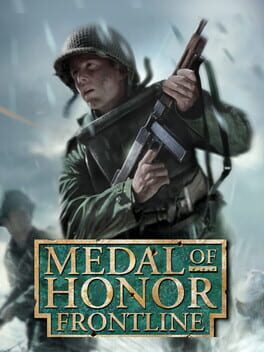
Five Medal of Honor games draw 3,905 votes, stretching from the Original XBOX era (Frontline, Rising Sun, European Assault) to the XBOX 360 reboot and Medal of Honor: Warfighter. It is one of EA's longest-running owned franchises, a wholly EA property, and the demand is spread across the whole series rather than concentrated on a single entry. Medal of Honor: Airborne is the only entry in the series that is already backward compatible.
Beyond Need for Speed and Burnout, the depth of the catalog EA owns.
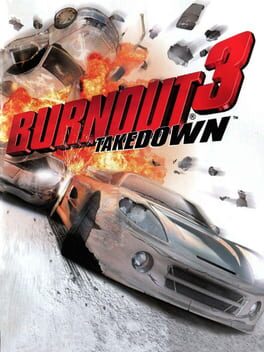
Need for Speed and Burnout are the two biggest EA-owned franchises. Set those two aside and more of the catalog remains, each one owned by EA and, as far as I can tell, free of a film studio or sports league that would need to sign off. Ranked by total votes across every game on this page. Music licensing may apply.
EA's owned catalog also runs through Battlefield, Titanfall, Wing Commander and more, all listed in full at the end.
Nearly half of EA demand sits behind additional rights.
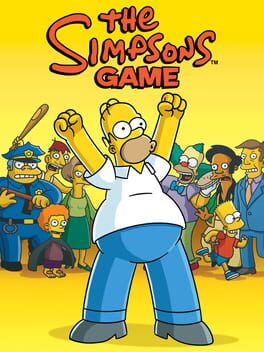
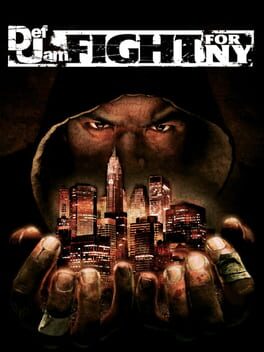
185 of the EA games on this page, 48,481 votes, were published under one or more licensing agreements. It splits into two big groups. The first is EA's annual sports catalog, where these games were built around league, team, player and other sports licensing agreements. The second is EA's long history of film, television and music tie-ins: The Simpsons, The Lord of the Rings, James Bond, Harry Potter, The Godfather, the Def Jam series.
Every one of these would require approval beyond EA, and the complication isn't always an obvious one. Some carry a film or television license; some depend on a game studio that owns its own IP; and some carry a second layer underneath the game itself, licensed music. Bringing any of them back can mean clearing the underlying rights, sometimes several at once, on top of the usual approval.
The five biggest licensed games, one per franchise
EA has a track record of supporting backward compatibility.
EA is an active participant in XBOX backward compatibility. When Microsoft opened the program, EA brought much of its own catalog into it, bringing Black, Dead Space, Mass Effect, Dragon Age, Battlefield, Alice: Madness Returns and more onto newer hardware.
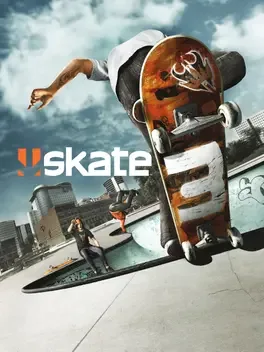

A sample of EA titles already backward compatible on modern XBOX consoles.
Three Valve games EA published are wanted back on the store.
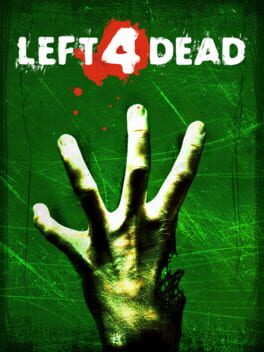
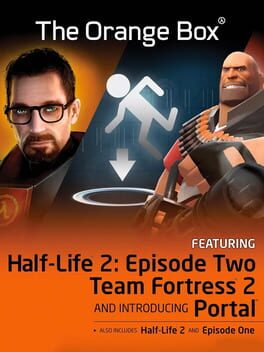
EA published the XBOX 360 versions of Left 4 Dead, Left 4 Dead 2 and The Orange Box, and all three are already backward compatible on modern XBOX consoles. They are also delisted: you can play them if you already own them, but they can no longer be purchased digitally. Because they are already backward compatible, they sit outside the demand totals on this page, but the votes are worth noting on their own. Left 4 Dead 2 and Left 4 Dead are the #1 and #2 most-voted games for digital re-listing in the entire database, while The Orange Box is #4.
Need for Speed is the prize. EA's owned catalog is the opportunity.
EA reaches a third of everyone on the site, more than any other publisher, but the shape of that demand is unusual. The single biggest driver, Need for Speed, is also among the hardest to ship, because its licensed cars and music may sit outside EA's control. The clearest opportunities look like the franchises EA owns outright, Army of Two down to Medal of Honor and The Sims. To the best of my knowledge these carry no outside film, sports rights, though I can't speak to whatever agreements sit behind any individual title.
And a new platform, for the first time
In July 2026, XBOX backward compatibility expanded to PC: the same publisher approval that brings an Original XBOX game to modern consoles can now also make it playable on PC, with XBOX doing the work to make it possible. Because that expansion currently covers Original XBOX titles, 116 of the EA games measured here would be eligible, and 21 of those are games EA owns outright. Fifty-three of the 116 were console-only in their day and never appeared on PC, so for them approval could mean a first-ever official PC version. A separate, newer vote is already asking players which of those console-only games that are already backward compatible they want on PC; Black, Criterion's cult Original XBOX shooter, leads it so far, with SSX 3 close behind.
PC support is optional. A publisher can approve a title for console backward compatibility alone, or for console and PC together. As of now, only Original XBOX games have been announced for PC backward compatibility. The XBOX 360 catalog may follow, but has not yet been announced for PC.
Method and caveats.
Every figure here is a direct count from the site's public vote data, 880,023 votes from 91,955 players, filtered to Electronic Arts games released on Original XBOX and XBOX 360. Games are never combined across platforms: each release on each console is counted on its own, the way it appears on the site. Delisted games and titles already backward compatible are set aside and counted separately in the final section, not folded into the demand totals.
Publisher and ownership calls were checked title by title. "EA-owned" means the underlying intellectual property belongs to EA; "published under license" means EA released the game but the core rights, a sports league, a film studio, an author, a record label, sit with someone else. Ownership can be complicated, and a few edge cases carry more nuance than a single label can hold; where a game's status was genuinely mixed, it was placed by its primary rights holder. Vote counts measure interest, not a commitment to buy, and feasibility depends on factors beyond this dataset.
Every EA game, by tier.
All 233 EA games behind the demand figures, grouped by ownership, plus the delisted cohort and the separate PC backward compatibility requests, with platform and vote count. Titles released on both generations are listed once per platform.
* All EA games on the site excluding delisted and already-backward-compatible titles, which are counted separately. Titles are attributed to EA to the best of my knowledge from public information; some were co-published or carry licensing arrangements that may involve additional rights holders.
** Licensed games. EA released these titles but does not own the underlying property, so a return may require agreement from film studios, sports leagues, record labels, authors and other third parties.